
 Image 1 of 3
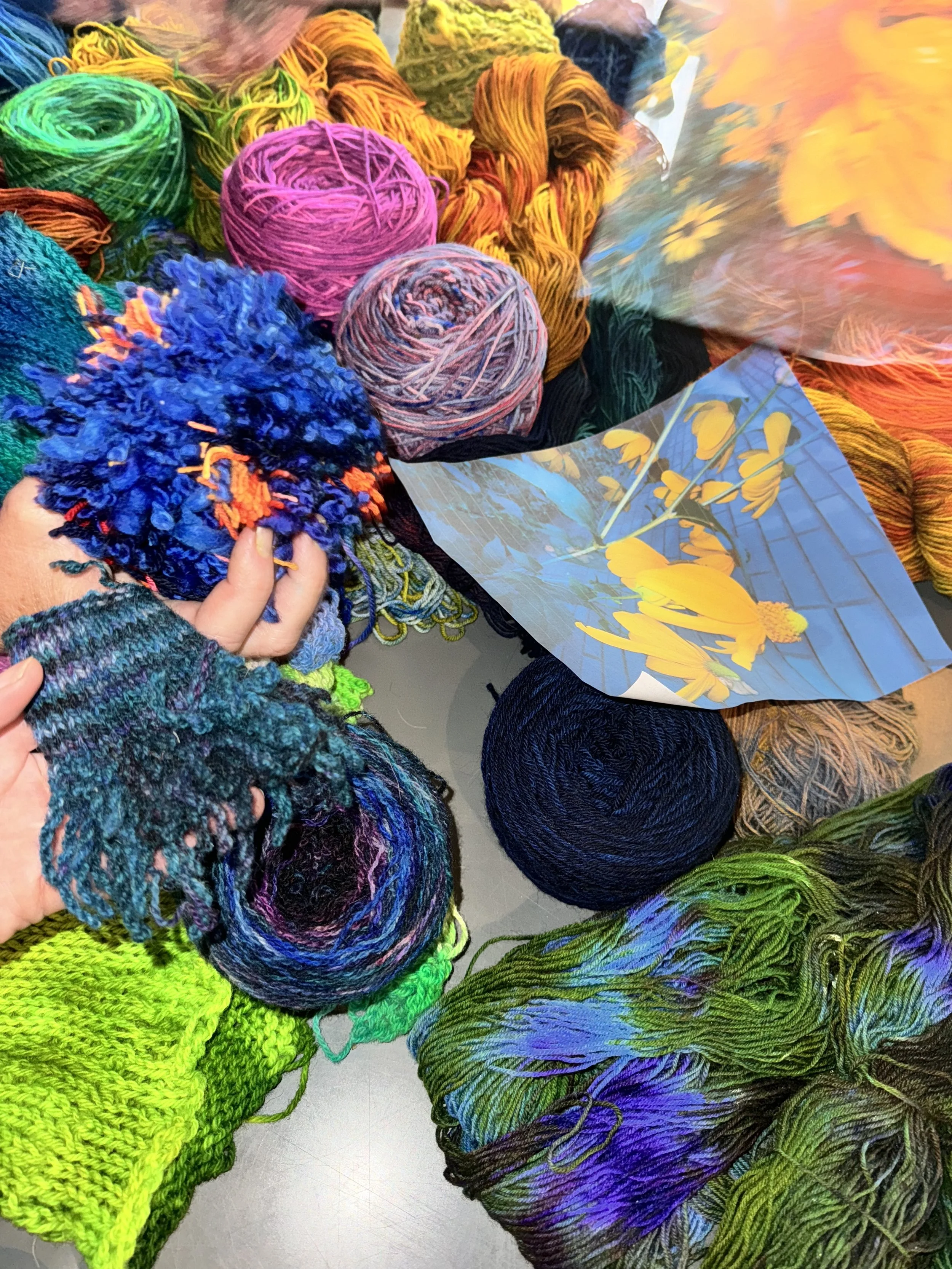 Image 2 of 3
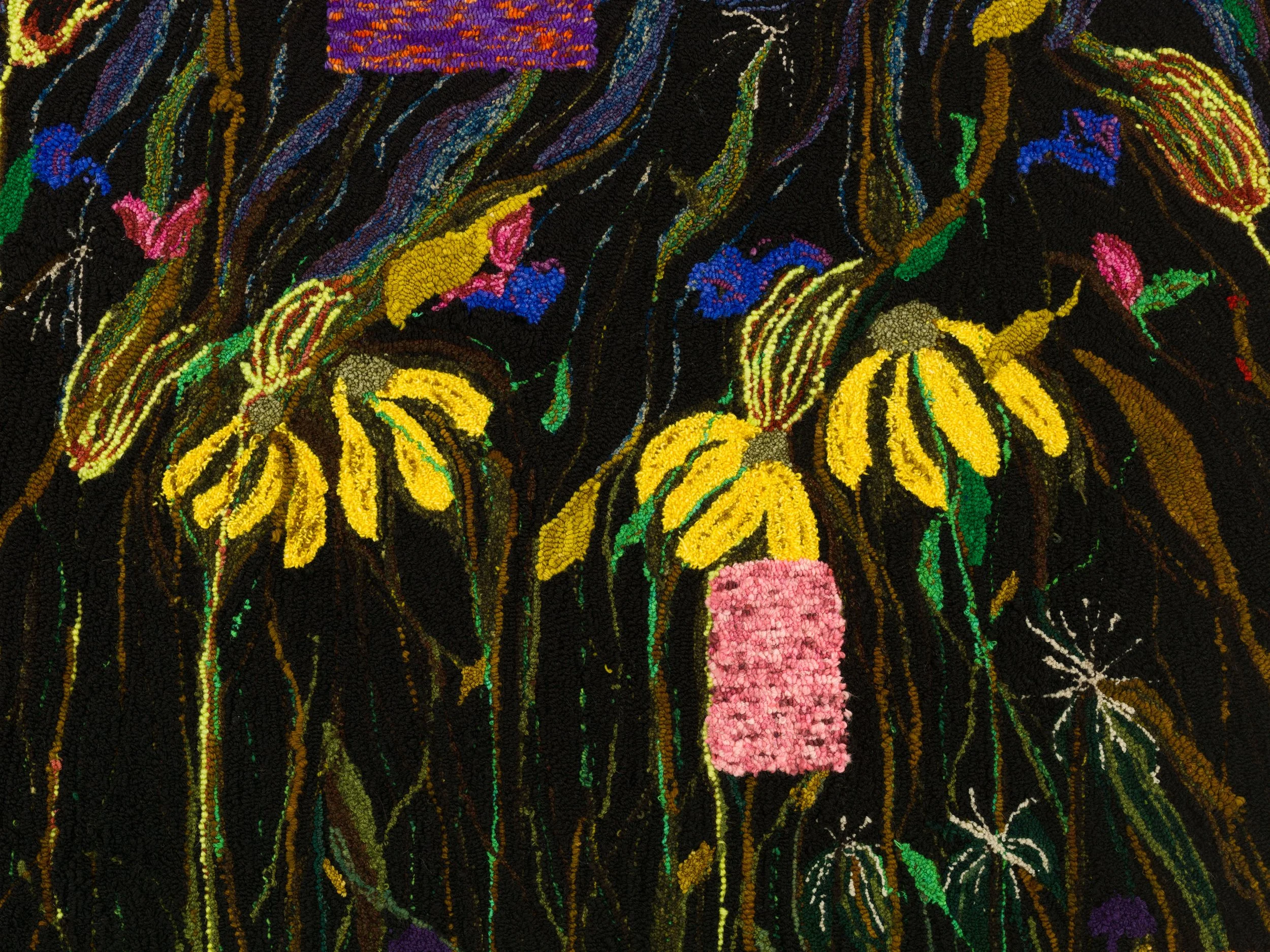 Image 3 of 3
Nadie Borggreve teaches you how she dyes yarn in her own studio: with acid dyes, and without following the classic rules. On Sunday you use the yarns you dyed yourself to make a small punch needle piece, based on a photo of a flower you bring.
You go home with your own work and a dyeing technique you can keep experimenting with.
Programme
Saturday 7 Nov: wool dyeing
Sunday 8 Nov: punch needle
Bring
A photo of a flower for inspiration. Need ideas? Nadie regularly posts flowers on Instagram: @nadieborggreve
Included
Lunch on both days
Materials
For who
Everyone who wants to learn how to dye wool and work with colour, and play with it on a punch needle piece. No experience needed.
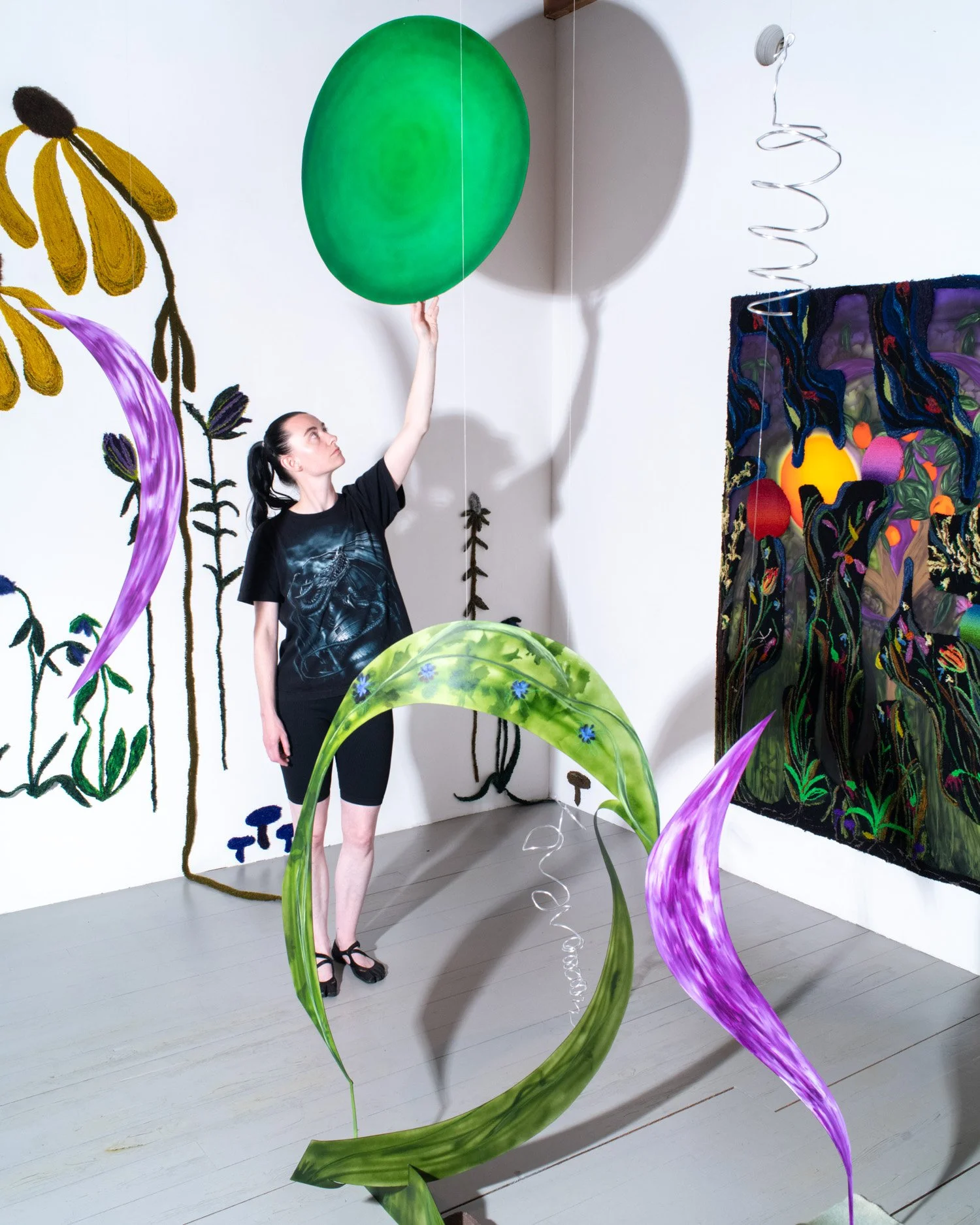
About Nadie Borggreve
Nadie makes wall tapestries rooted in a longing for nature: forests, flowers, stars reflected in lakes. Their shapes recall gothic windows, with wool in place of stained glass, and you look through them as if looking out. She dyes every yarn by hand and works with tufting, intarsia knitting and her own dye processes. She mostly uses natural, second-hand materials, so the history of the fabric stays in the work. The flowers she photographs on walks through parks and gardens come back in her tapestries and oil pastel drawings.