Jana
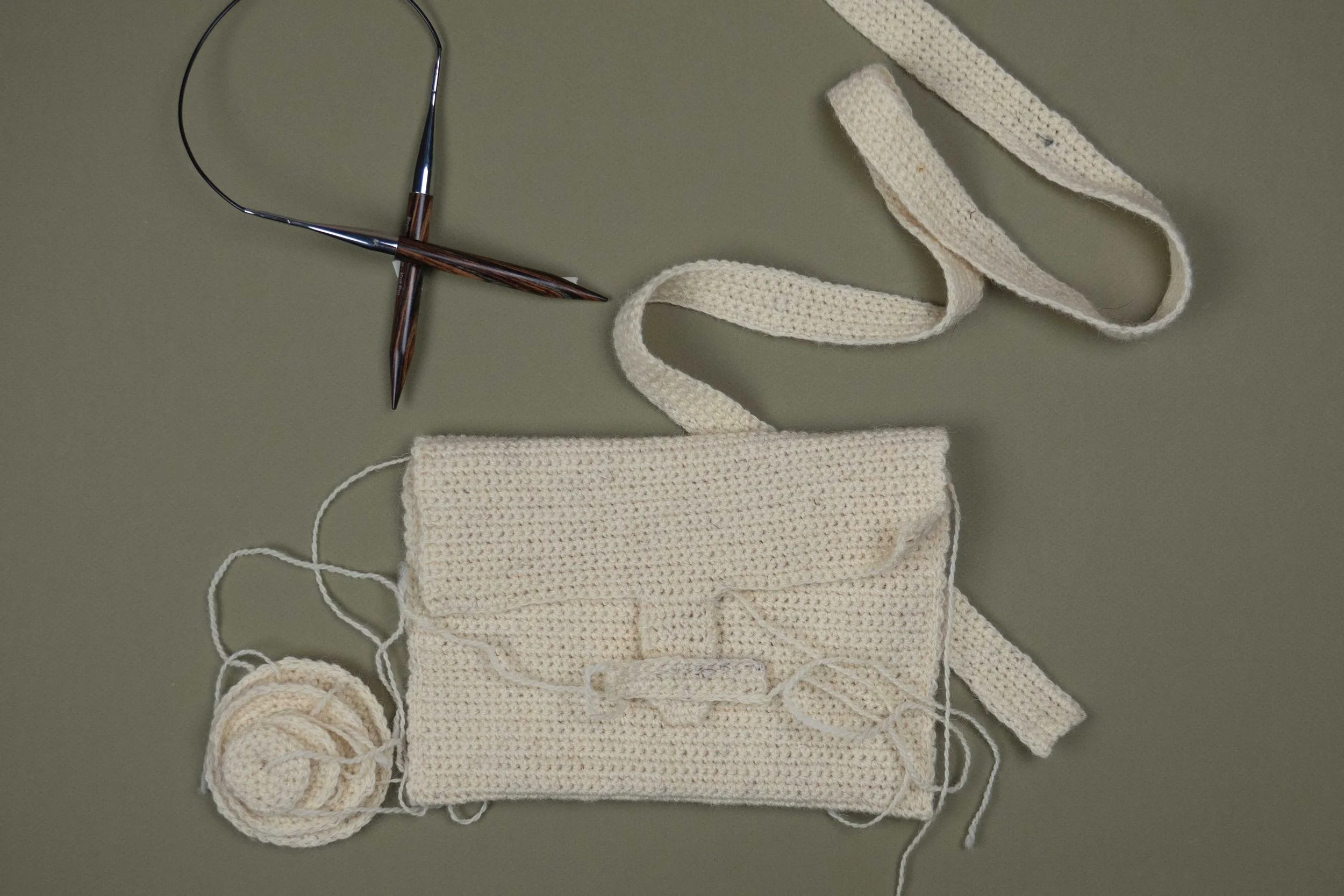
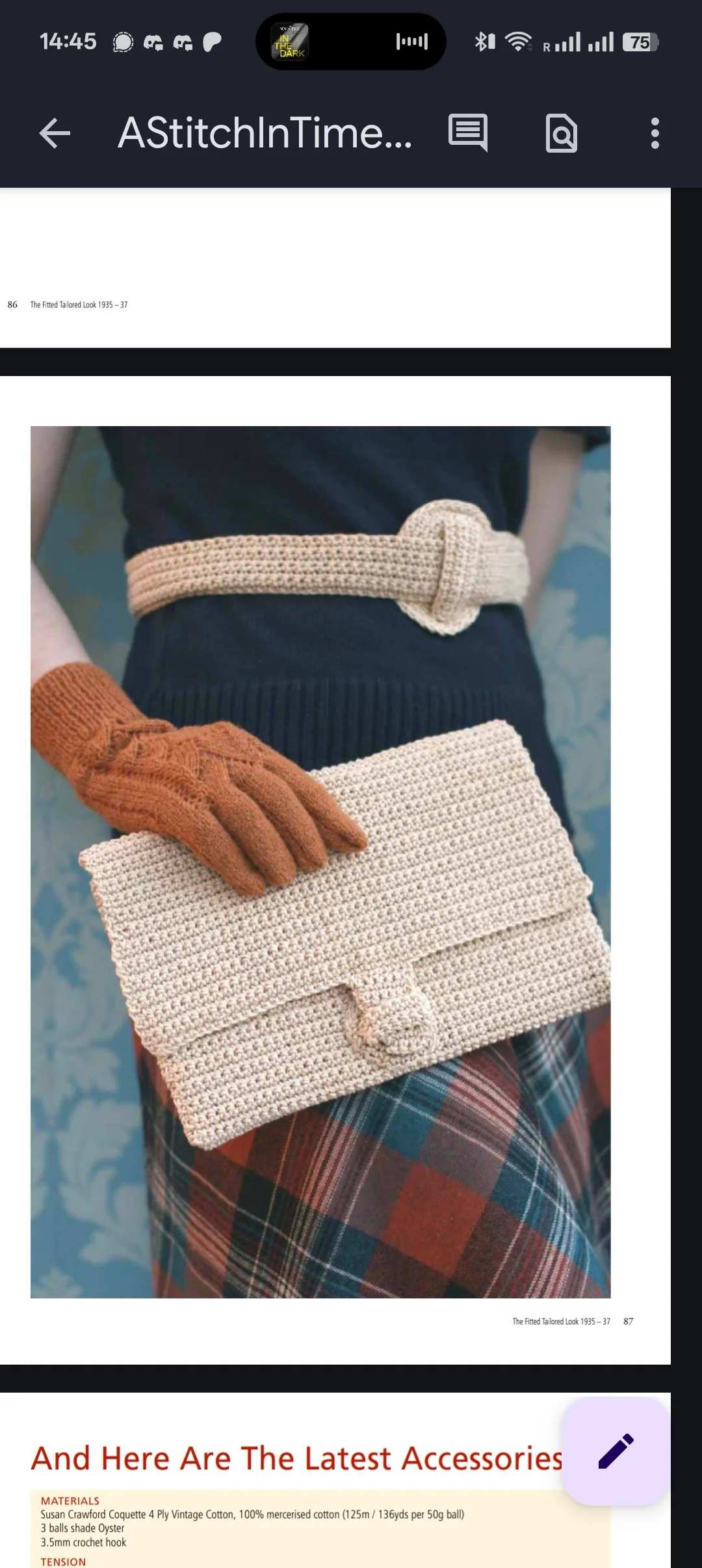
“I created a set of different pieces based on historical designs. The accessories: a bag and a belt, are based on a 1935 design that uses crocheting to create a simple but elegant bag that is structured and strong. This is combined with a strongly shaped sweater, based on a 1897 Victorian “cycling sweater”, characterized by a tight waist and dramatic shoulders. ”
When did you start knitting/weaving/crochet?
10 years ago
What's your craft origin story?
My mom used to knit amazing sweaters. I've always wanted to try, but I couldn't get a hang of it when I was younger. Then, when I was about 25 years old, a friend of mine planned a workshop that I joined. Ever since then I'm hooked. I find fun projects online and then enjoy the relaxing process.
What technique did you use for your regional wool project?
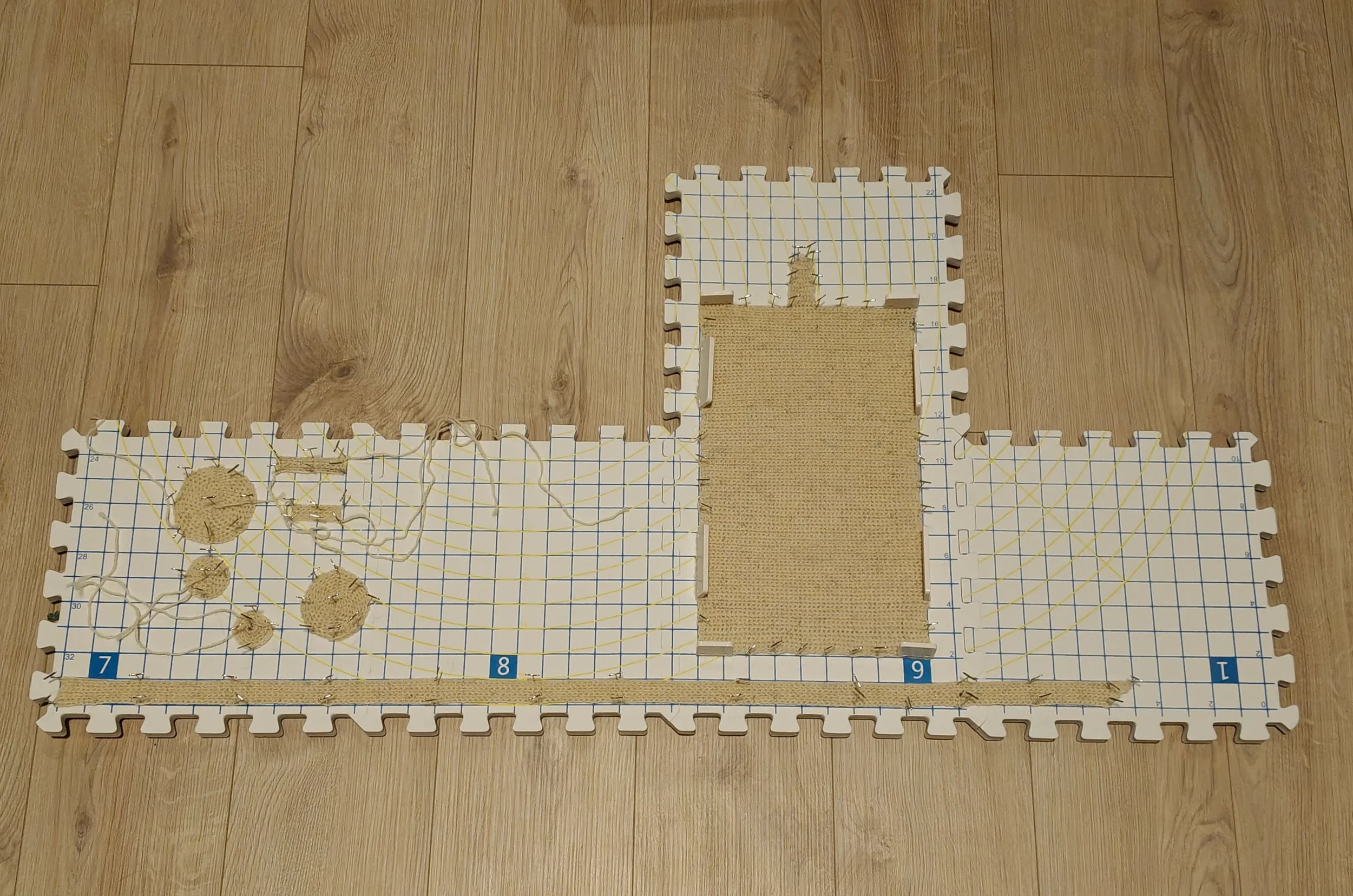
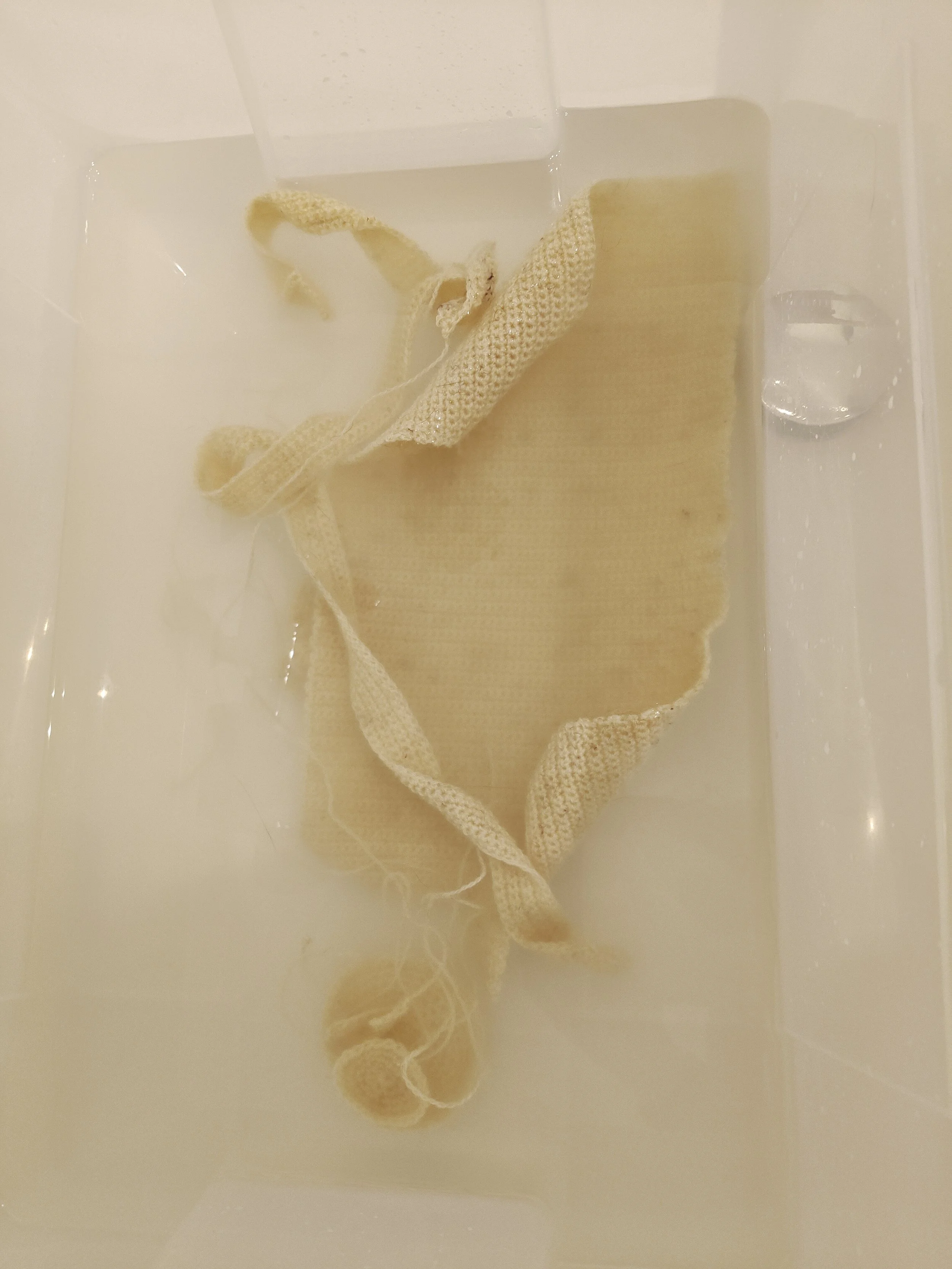
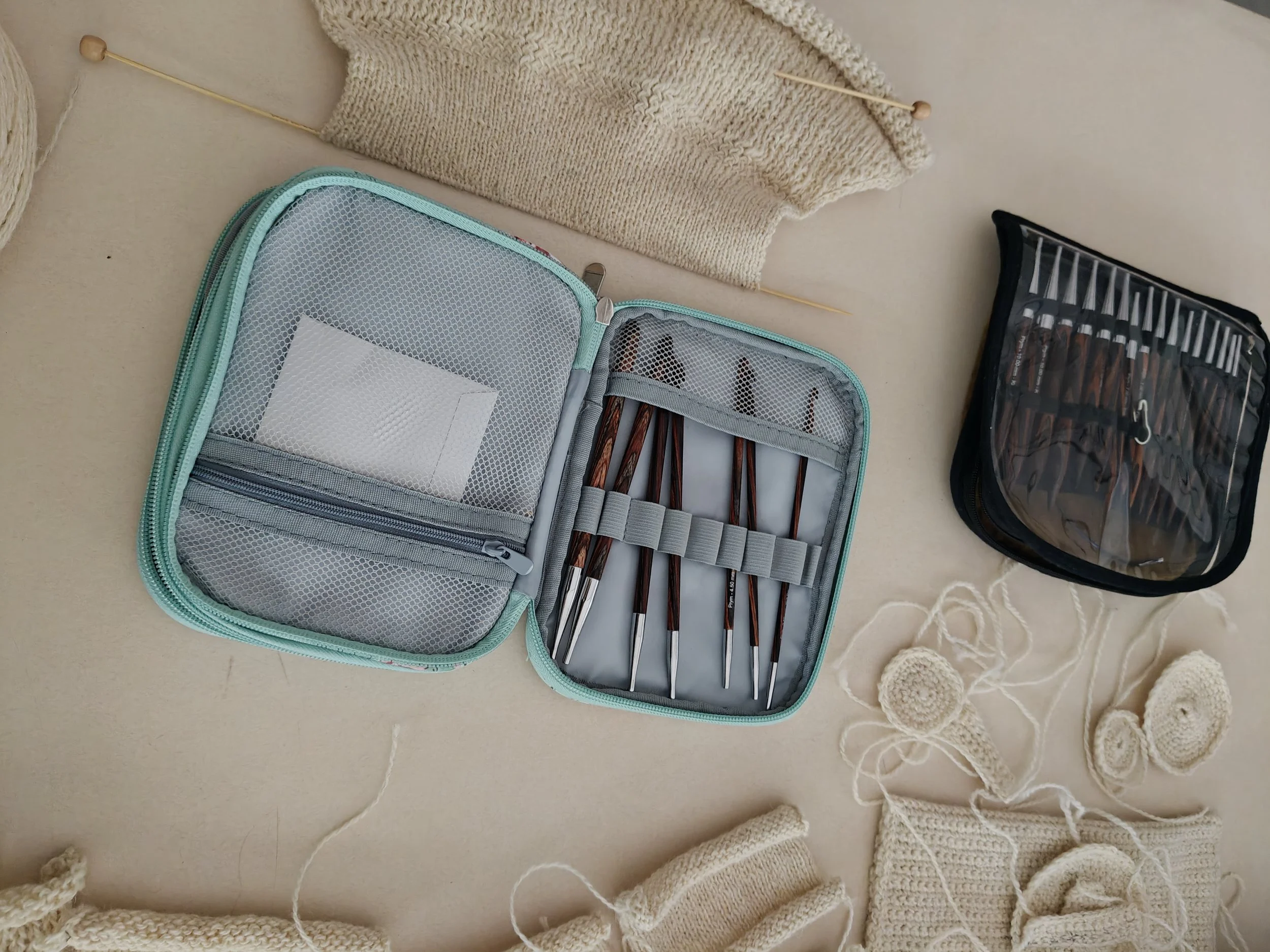
I enjoy making "historical" garments. The first piece is a crochet bag/pouch and belt, published in a magazine from 1935, the stiff wool is especially well suited for this tight crocheting, as the piece keeps it shape very well because of it. I've washed and blocked the wool in shape. The second piece is inspired by an even older pattern published in 1897. It's a knitted garment that is characterized by strong shapes, tight waist and dramatic sleeves. To obtain the strong waist a combination of different stitches was used, with increases and decreases of the amount of stitches, as well as changing the knitting needle sizes. This combination makes the garment look vary varied and theatrical. Again, the stiff/dense wool is very suited for such a structured garment, as it will keep the shape well and the drape is limited.
Did you try out a new technique while making your project? And would you use it again?
I tried warm water washing and blocking to clean and shape the garment. This evens out any inconsistent stitches very well. I would definitely use this again. I also made a lot of swatches (= test squares) to see how the yarn reacts to different needle sizes, stitches and combination. This helped me to make decisions beforehand to strive for the esthetic I was looking for. This also helped to see how many stitches I need for a certain size of garment. It made my end-result much more predictable.

How many hours did it take you to compete?
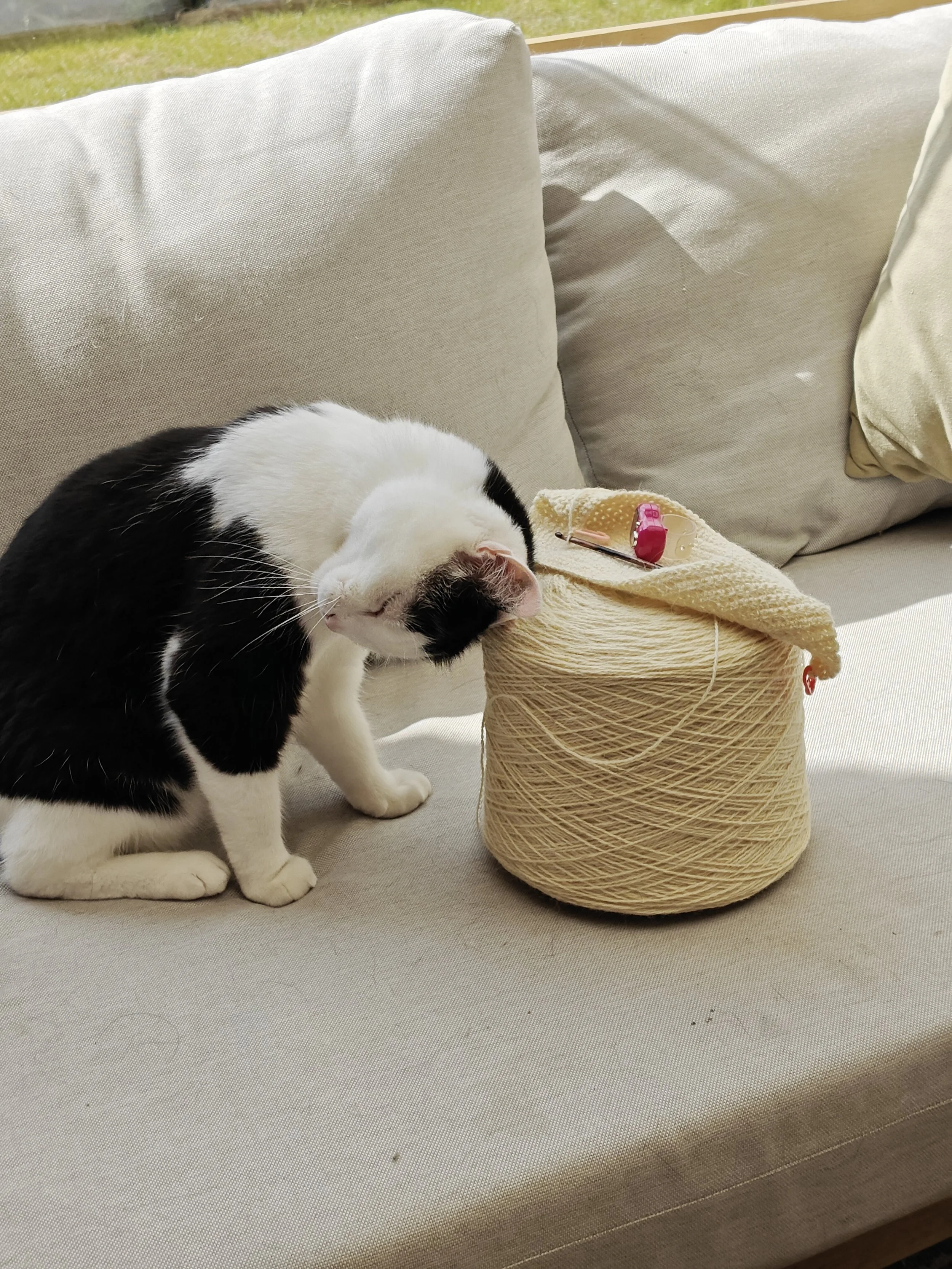
The crochet bag and belt took me about 30 hours to complete. The piece is very repetitive, so can be crochet quite fast. Washing, blocking and assembling the pieces is wat takes the most effort/time. The cycling sweater takes a bit longer, as it required more preparation (creating test swatches) and has more variation within the garment. Especially knitting with small needles makes the progress very slow. For half a front-panel I've already spent around 20 hours. The total piece can take a long time to finish.
What was the inspiration for your project?
I enjoy historical garments. By going through old knitting magazines and books, I get inspiration of what I can do with the yarn.
What did you discover from using regional wool in your project?
I learned more about the different types of yarn and their properties. There are different types of sheep fibers, but also plant fibers exist (e.g. cotton or even bamboo yarn). All these different yarns react differently, some are more stretchy others are more tight. Some tend to drape, while others hold their structure well. Matching the yarn with the overall feel and look of a garment can bring a piece to the next level.
What were the trial and error of the project?
Creating lots of test swatches helped me understand my gauge and how yarn would react to stretch. I could also try out different patterns and see that some patterns looked better with a different needle size. With this I could avoid having to redo parts of my project.
What does knitting/crochet do for you personally?
Crocheting and especially knitting is close to a meditation technique for me. It's a way to do something with my hands and get out of my head. At the same time there is a level of focus requested, and counting stitches can take me to this almost meditative state. The relaxation it gives, away from the daily race and screens, is something I wouldn't want to miss.
Do you have any tips for people who want to work with wool in their own projects? And why would you recommend it?
Find inspiration, things that you find fun or beautiful. Try things out and don't be afraid to make mistakes and try again.