
Education: Reshaping the Industry
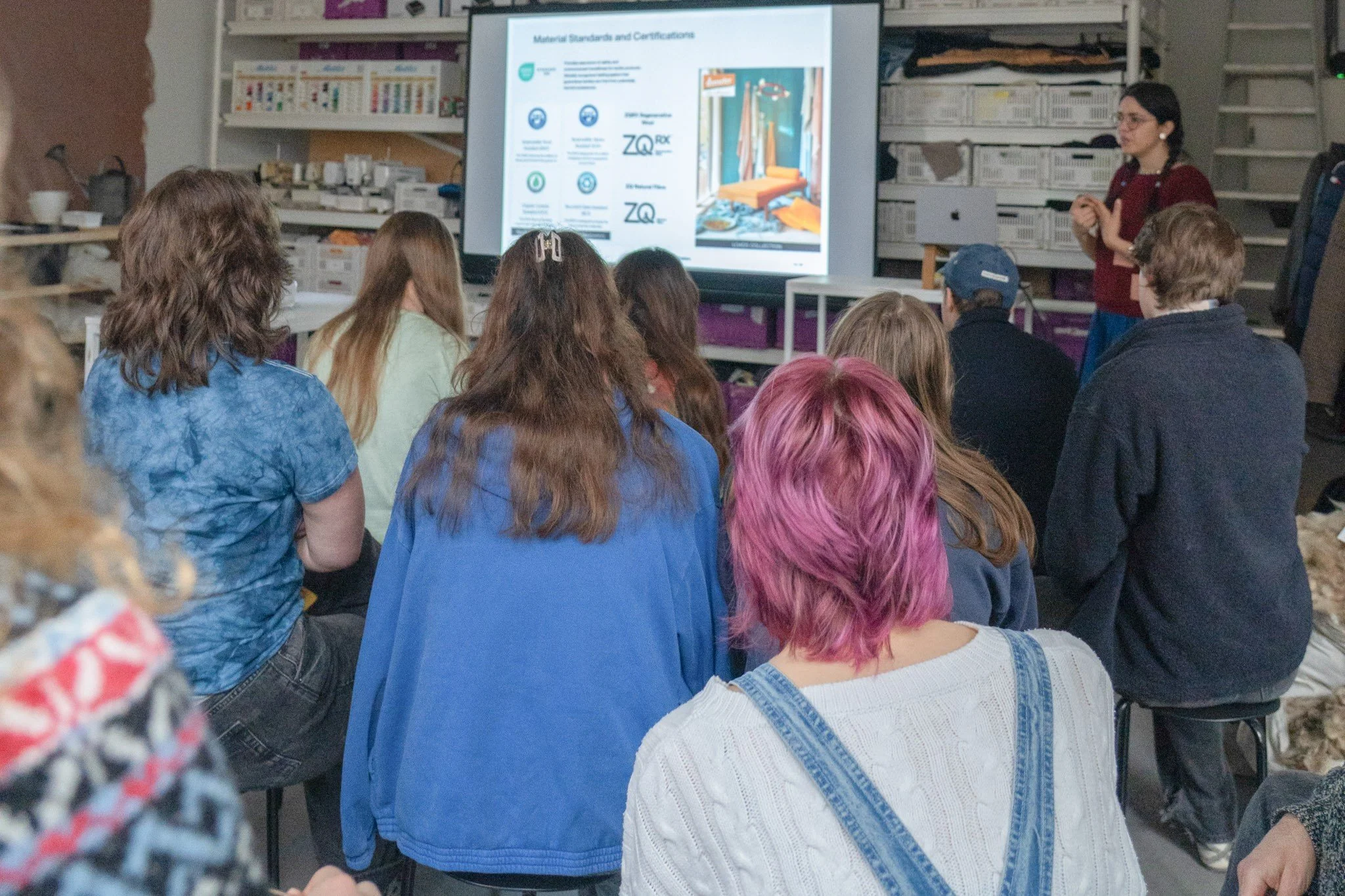
Regenerative Fashion Workshop
This year we were happy to host again the Industrial Design students of the TU/e Sustainablility & Design course together with Prof. Oscar Tomico at NOOF. Pollyanna Moss led the presentation on Regenerative Fashion, looking at regenerative agriculture models as a guide for fashion practices.
In a hands on mapping workshop, students used permaculture principles to identify and analyse regenerative thinking to selected fashion case studies. We were inspired to see students take on the challenge and look forward to see how they apply regenerative design principles to industrial design practices.
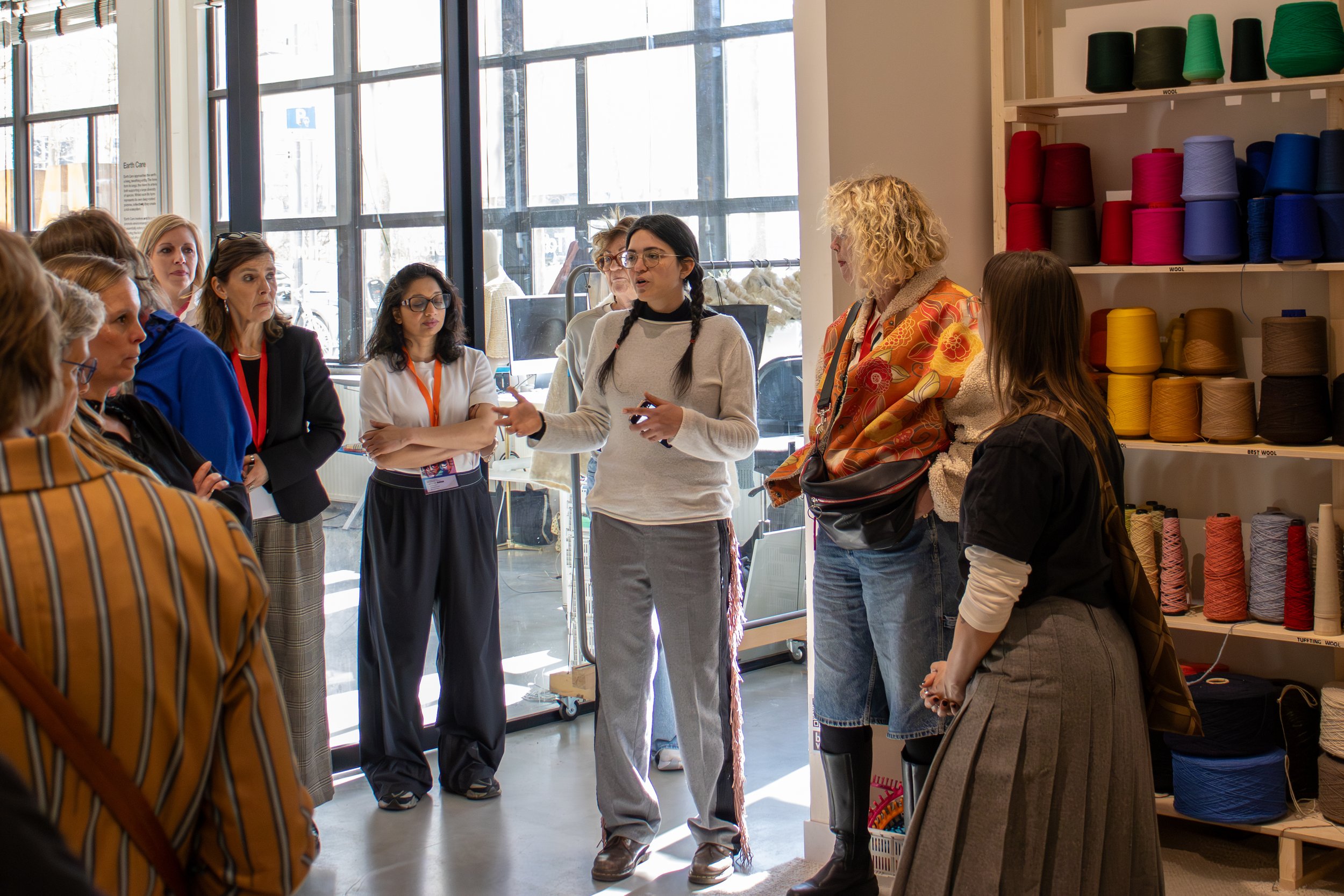
Image by mabelschoonmedia
Also learning from regenerative fashion models were the MBO educators from the Mode Tweedaasge 2026 program. The group came by on the 4th of March and learn about NOOF’s journey as a talent platform and makers space, and had a fun day of learning about how regenerative design can guide fashion innovations. The goal was to teach educators how the industry is innovating so this knowledge can be passed onto the students. In this way, regenerative thinking is carried forward, becoming part of how future designers understand and engage with the fashion system.
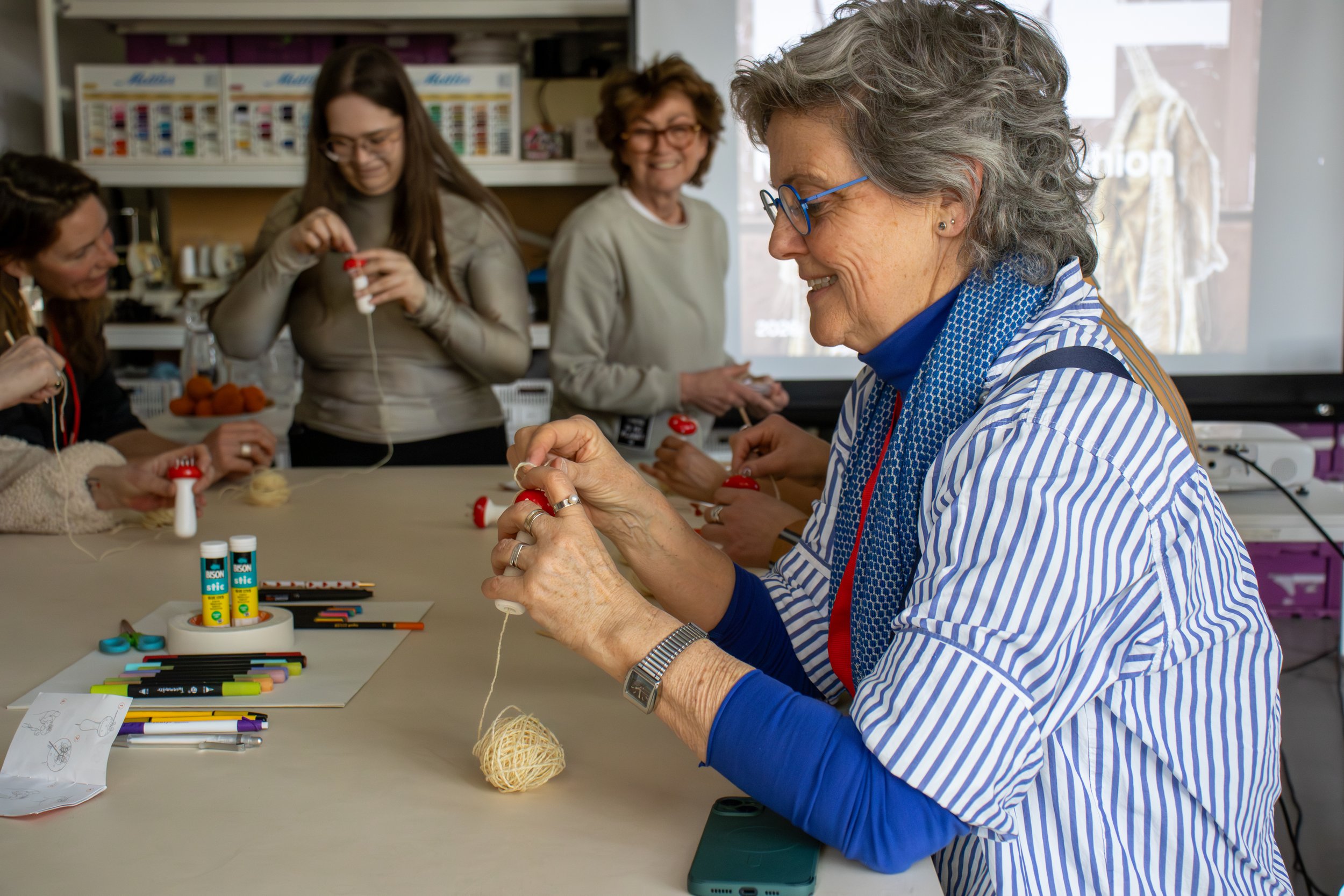
Image by mabelschoonmedia
MDPP Living Lab Workshop
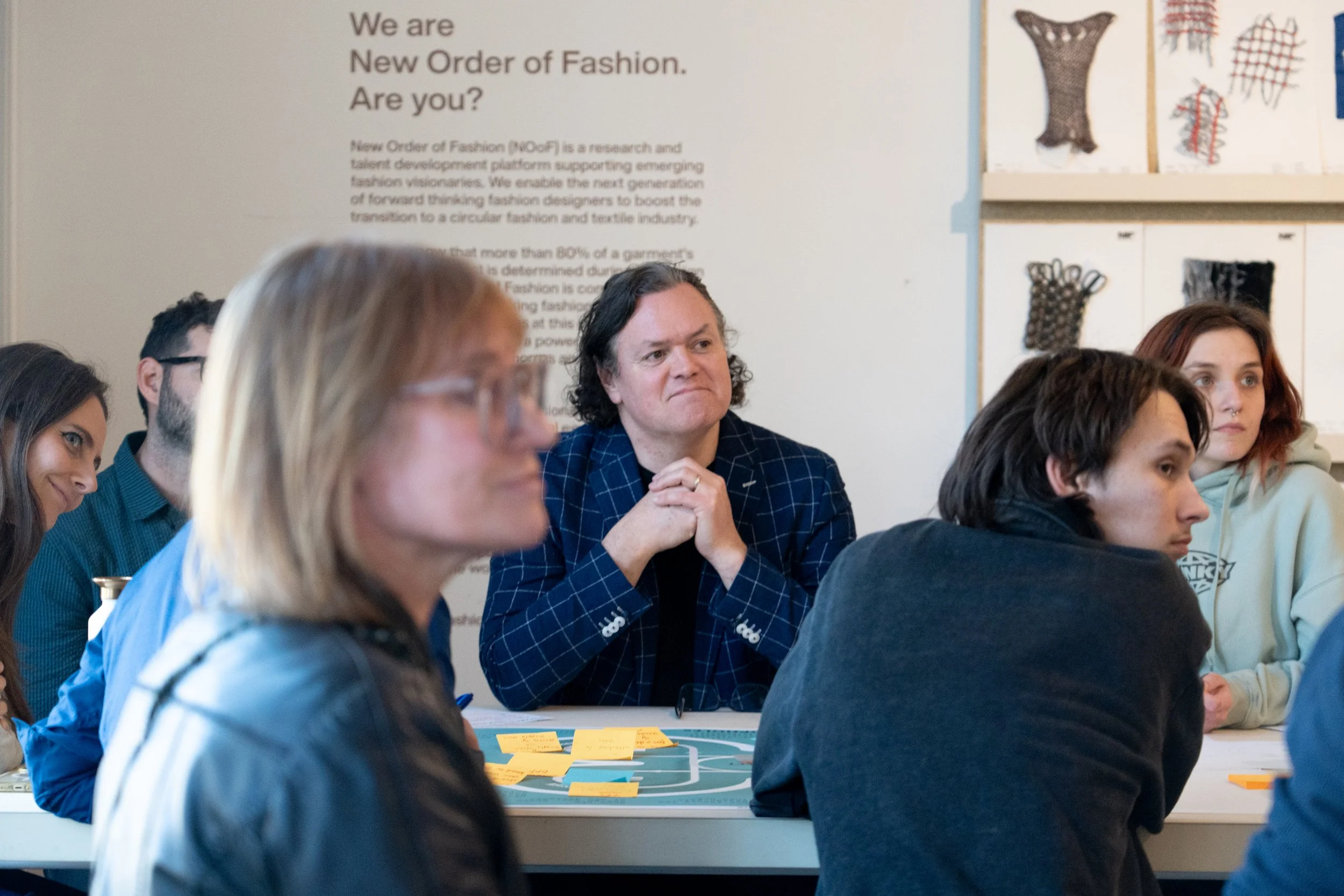
On the 2nd of March, we gathered at the New Order of Fashion Lab for the second Industry Living Lab workshop of the SIA and NWO funded Molecular Digital Physical Product Passport project. Together with fashion and textile companies as well as ecosystem partners, we focused on translating real world needs into clear, actionable system requirements to inform the first version of the MDPP.
A Digital Product Passport is a digital record that stores information about a product throughout its life cycle. This includes where materials are sourced, their composition, the processes they undergo in production, and what happens to them after use. The idea is to make this information accessible across the value chain, from producers to recyclers and even consumers.
The European Union is currently working towards making Digital Product Passports a standard requirement as part of upcoming sustainability regulations. These rules aim to improve transparency and support a shift towards more circular systems, where materials stay in use for longer and waste is reduced.
We’re excited to see what the implementation of Digital Product Passports in the textile industry will mean for circularity and more sustainable practices.
Written by Pollyanna Moss and Dina Beganovic