Beathe
“Over the past few years, my fascination with wool has deepened. I’ve been exploring not only the craftsmanship of working with the material but also the ideology behind it, which is something very important to me.
Working with wool is a homage to the slow process. The material demands care - a gesture of respect for those who have given it to us. There is no space for rushing or taking the path of least resistance.”

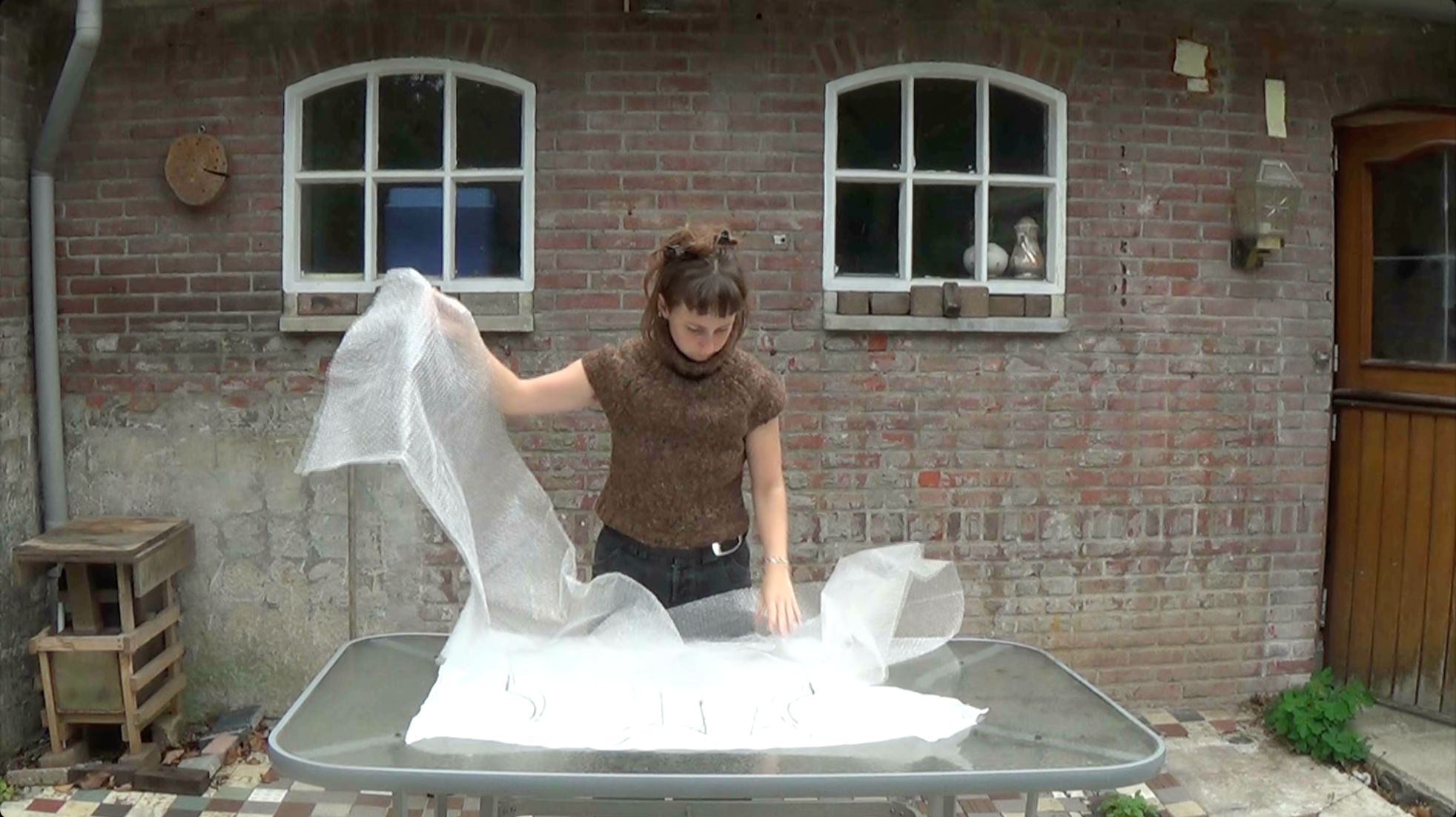
What's your craft origin story?
My grandmother taught me how to knit several times. I kept forgetting how to cast on stitches, so I would wait until I saw her again and have her show me one more time. At last, it stuck.
What was the inspiration for your project?
Over the past few years, my fascination with wool has deepened. I’ve been exploring not only the craftsmanship of working with the material but also the ideology behind it, which is something very important to me. Working with wool is a homage to the slow process. The material demands care - a gesture of respect for those who have given it to us. There is no space for rushing or taking the path of least resistance.
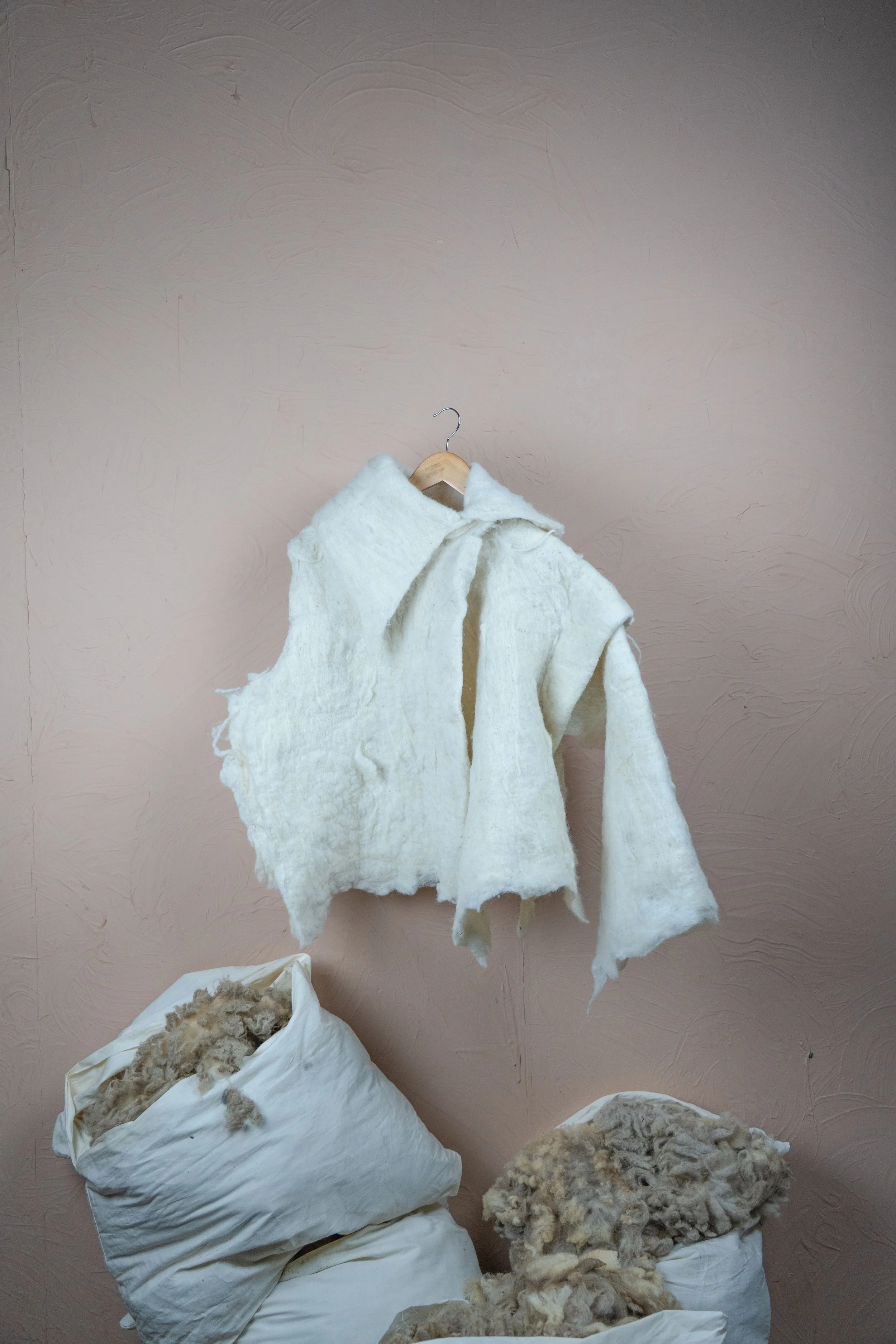
What technique did you use for your regional wool project?
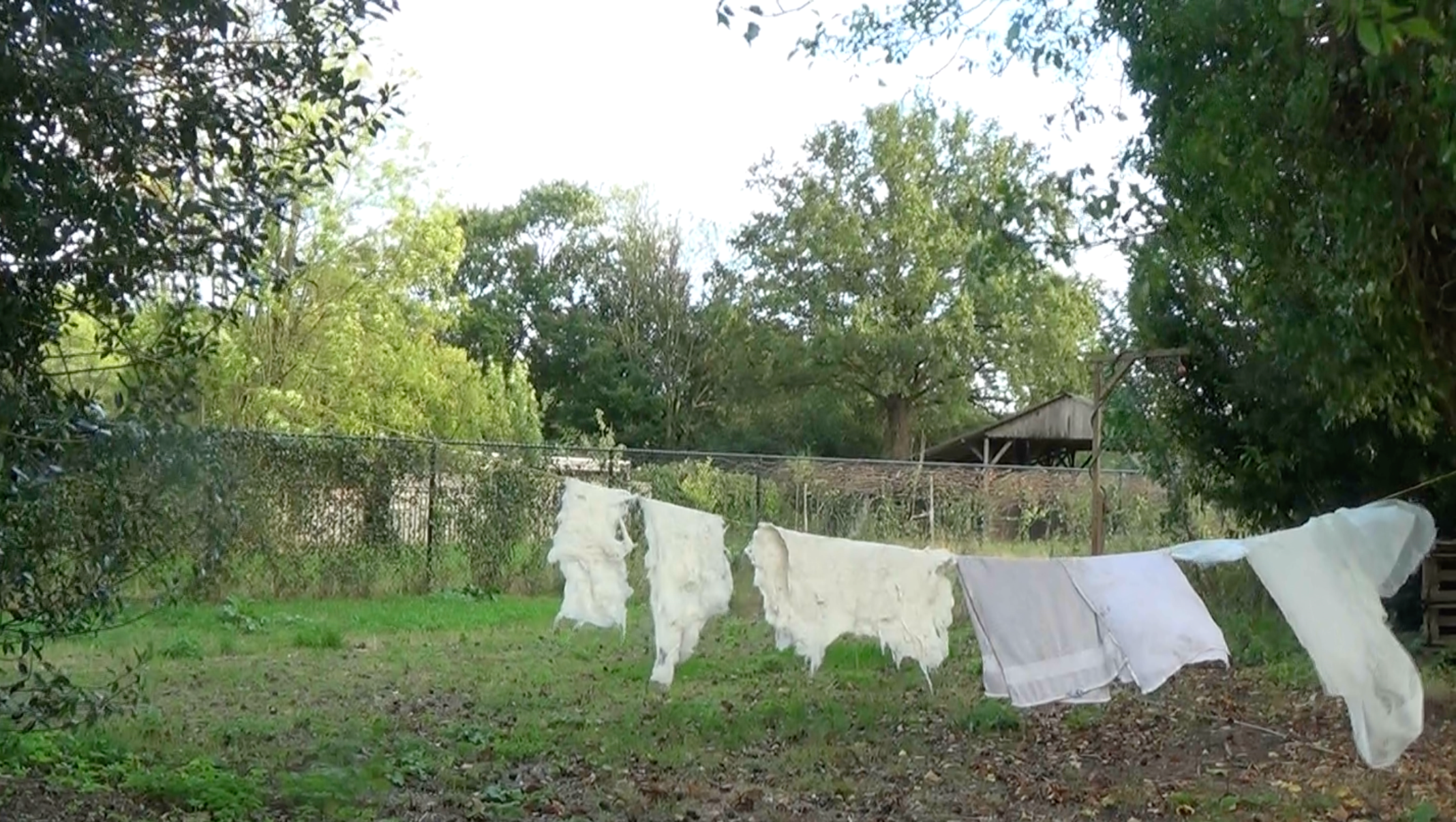
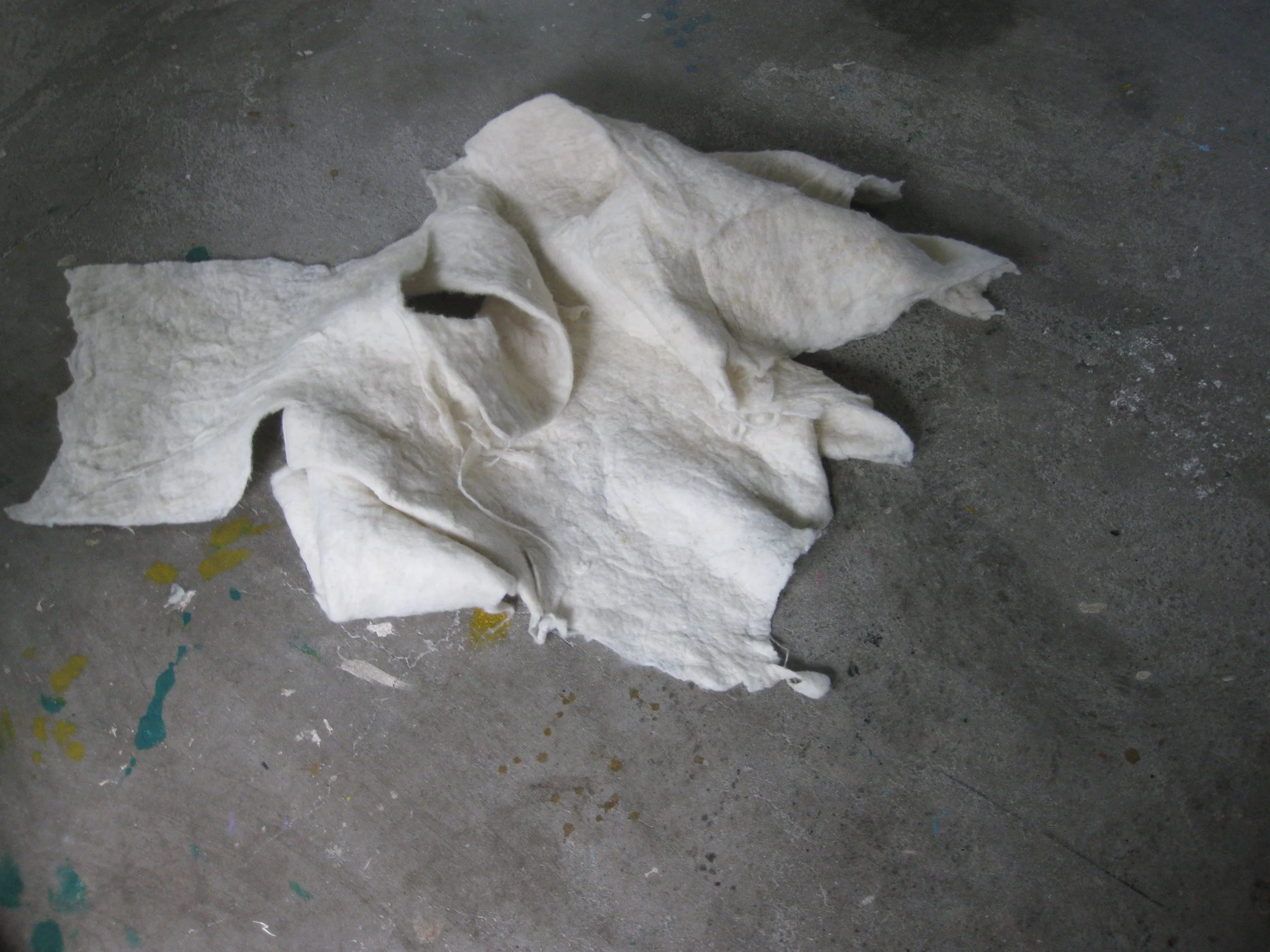
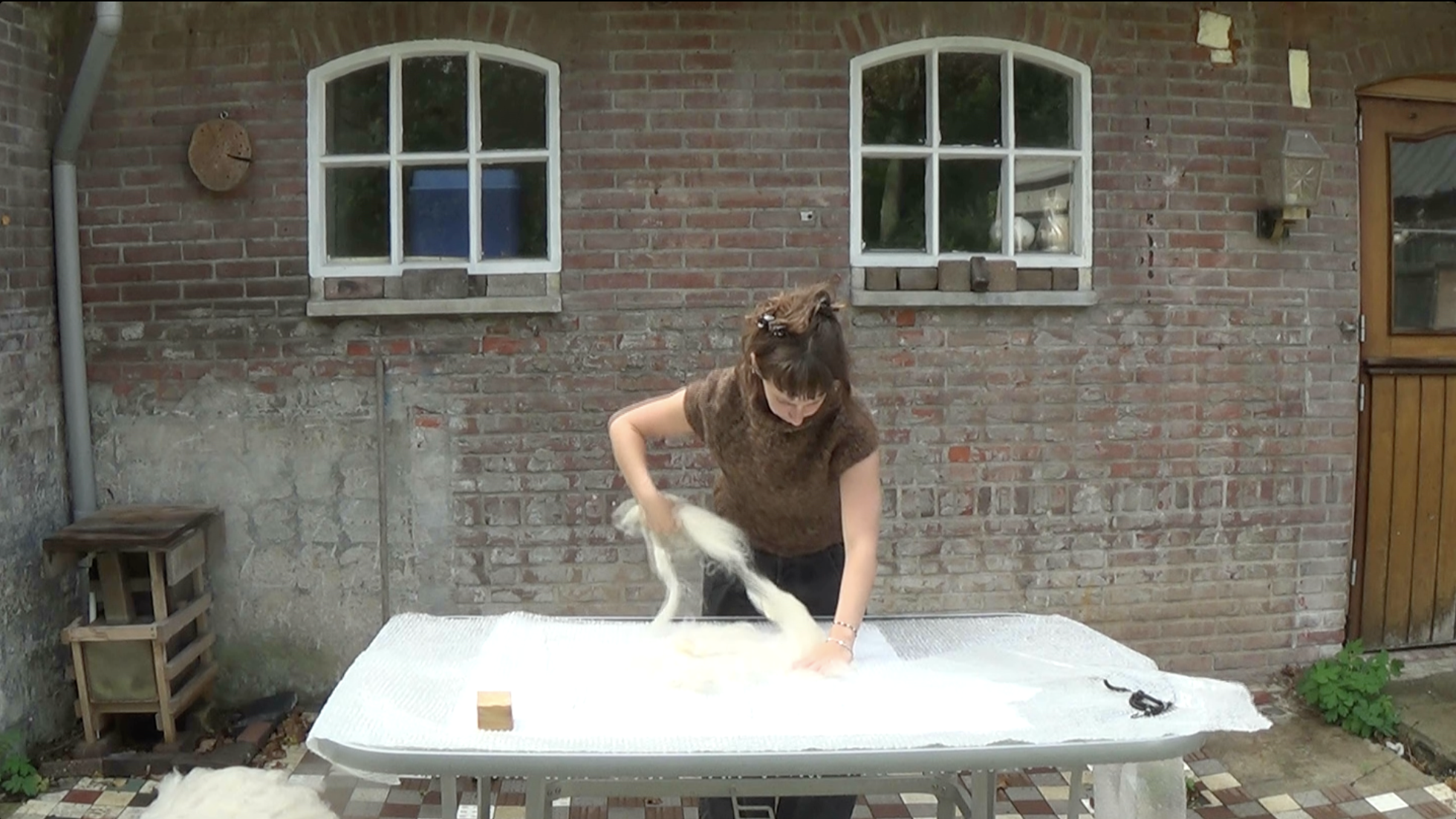
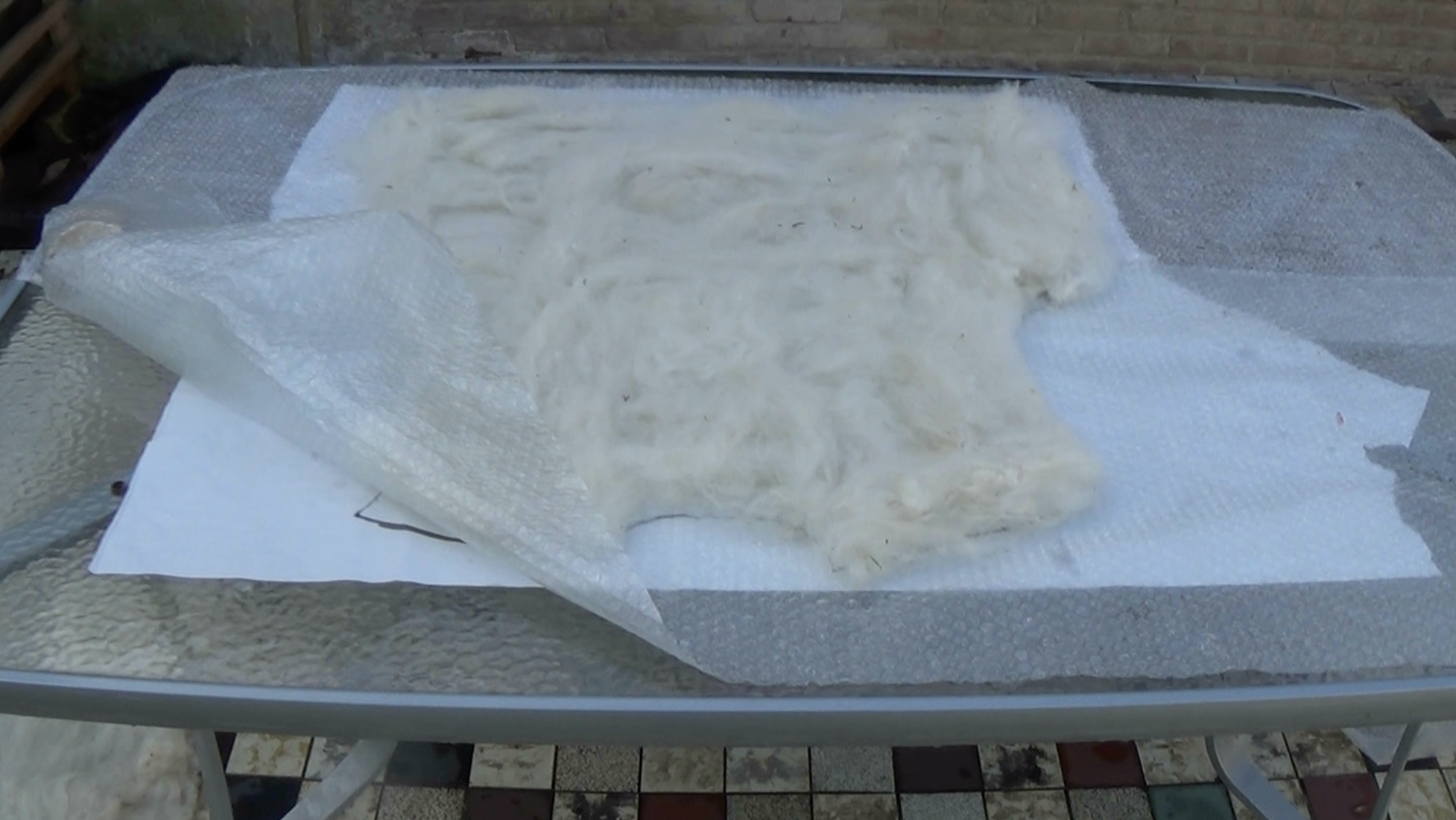
The jacket is wet-felted using warm water and olive soap. Later, the pieces are needle-felted together. I wanted the challenge of creating a garment using only one material, so I set myself the rule of no sewing, only felting. The work has taken many, many hours, repeating the same motions until the fibers is bound together. The result is warm, durable and true to where the fibers originates from.